Landscape Architecture & Stormwater Management: A Drainage Connection
Today’s society is becoming more aware of landscape architecture’s connection with stormwater management and how planning impacts drainage flow and our need to create more sustainable cities, communities, and campuses.
As we experience more severe weather and properties confront increased stormwater regulations or water scarcity concerns, cities and commercial properties in the United States and around the globe, are looking to invest in a more resilient future that may blend a more natural landscape environment, better stormwater drainage and stormwater storage for water flow reuse.
Early Landscape Start
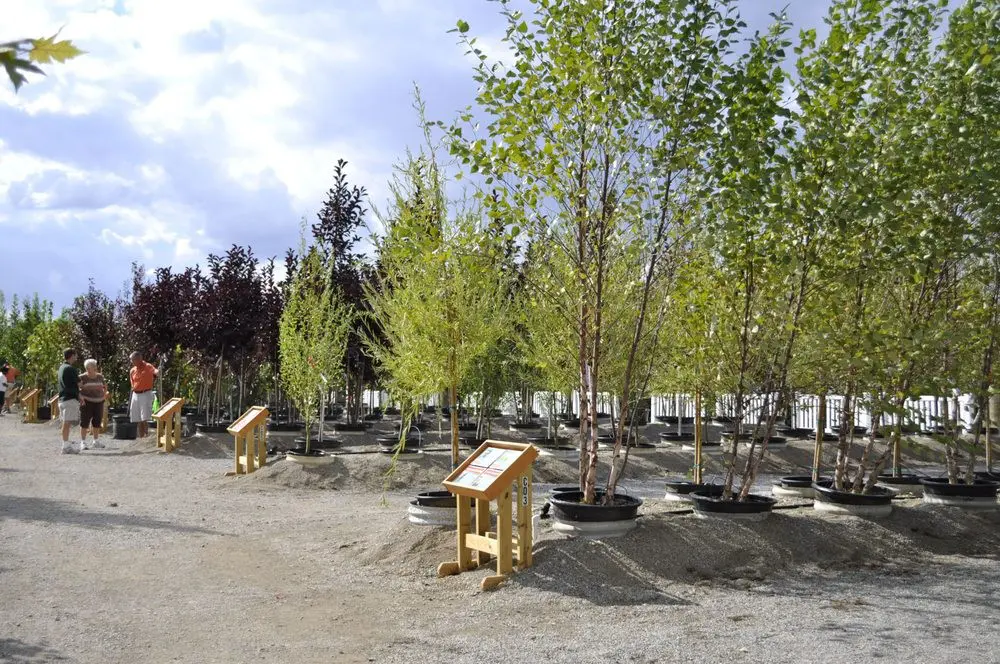
In my business life, my 1st job began at 16, working for a landscape architecture firm that operated a large tree farm & plant nursery, a landscape construction service, and operated a small chain of garden stores.
It was my initial start in discovery the power of landscape planning, the landscape construction industry, and how design impacted drainage systems.
In the past few decades, there has been growing awareness of the value of stormwater as a resource to be factored into urban development and landscape planning. My first job led to a passion for our environmental and water.
Early Landscape Start
After college and a corporate start in construction accounting for a high-rise construction firm, with an understanding view how to solve the need for a new “one-stop” landscape design, construction, and maintenance firm, this led to starting Landscape Resources.
The service grew to be nationally ranked, employing 169 people, including two corporate subsidiaries: Irrigation Resources and Tree Resources.
We began to focus on drainage systems to help manage stormwater flows on every property and how our landscape designs impacted maintenance and community drainage.
During this era, professional landscape maintenance was just emerging in the corporate space and each landscape discipline was fragmented. Oftentimes, landscape architecture, maintenance, and storm drainage were not united.
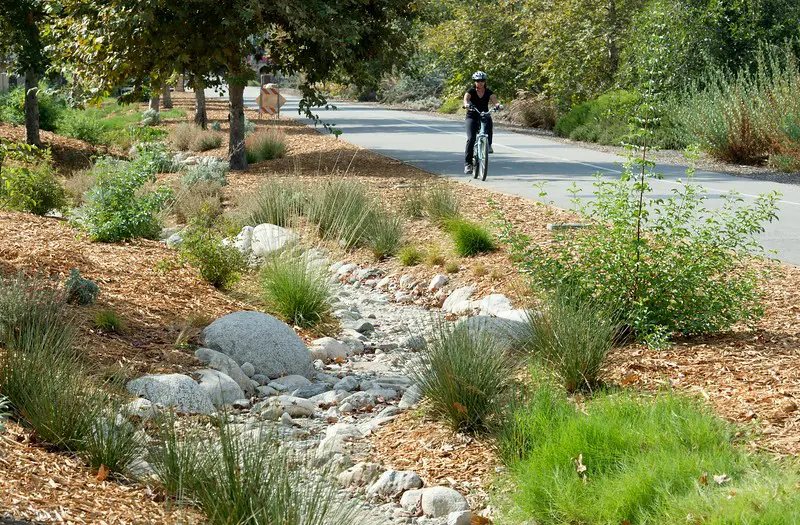
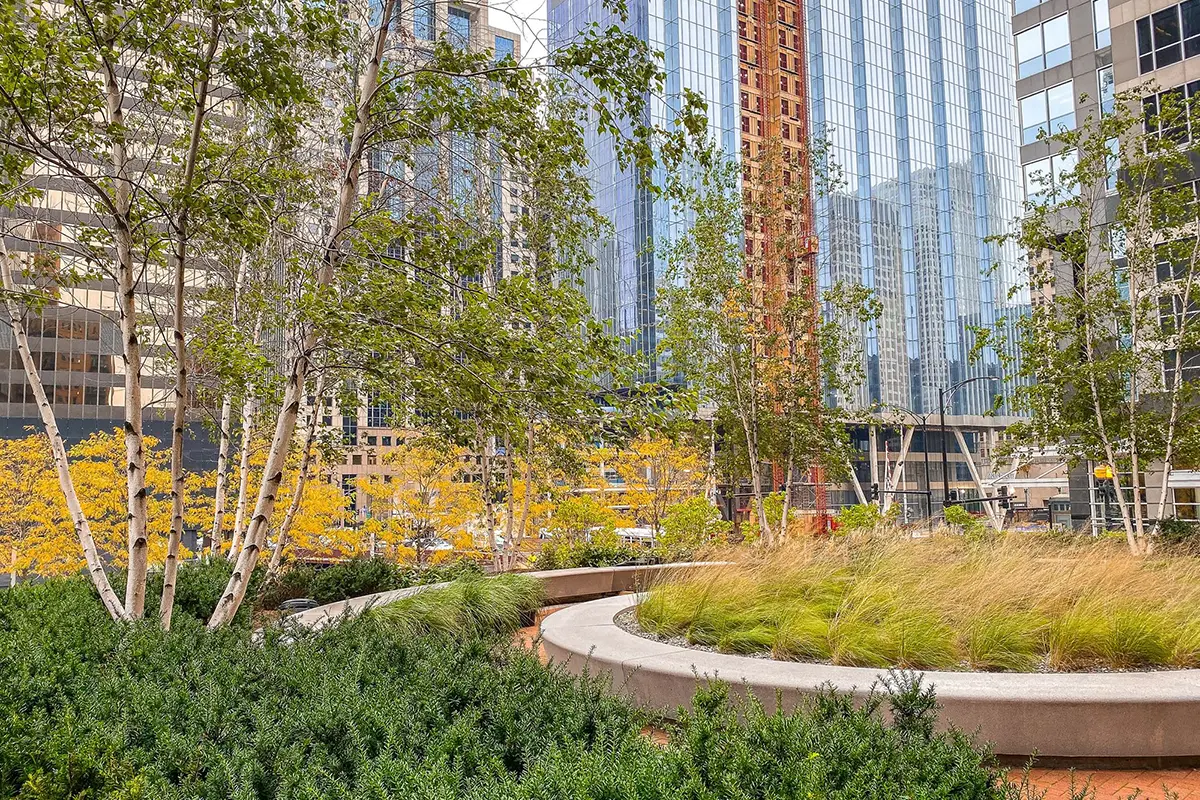
Water flow usage and xeriscape were just beginning to be considered. We began to design swales, high-volume drainage systems that were hidden in the natural landscape and incorporated low maintenance, water-saving plantings.
One landscape drainage trend that actually became fun was to design bioswales, dry creeks, or water fall features that involved lots of native rock or mimicked nature but would actually be used to disguise drainage systems.
Blending landscape design with stormwater flow solutions became our primary design and maintenance priority to solve the growing urban growth trends.
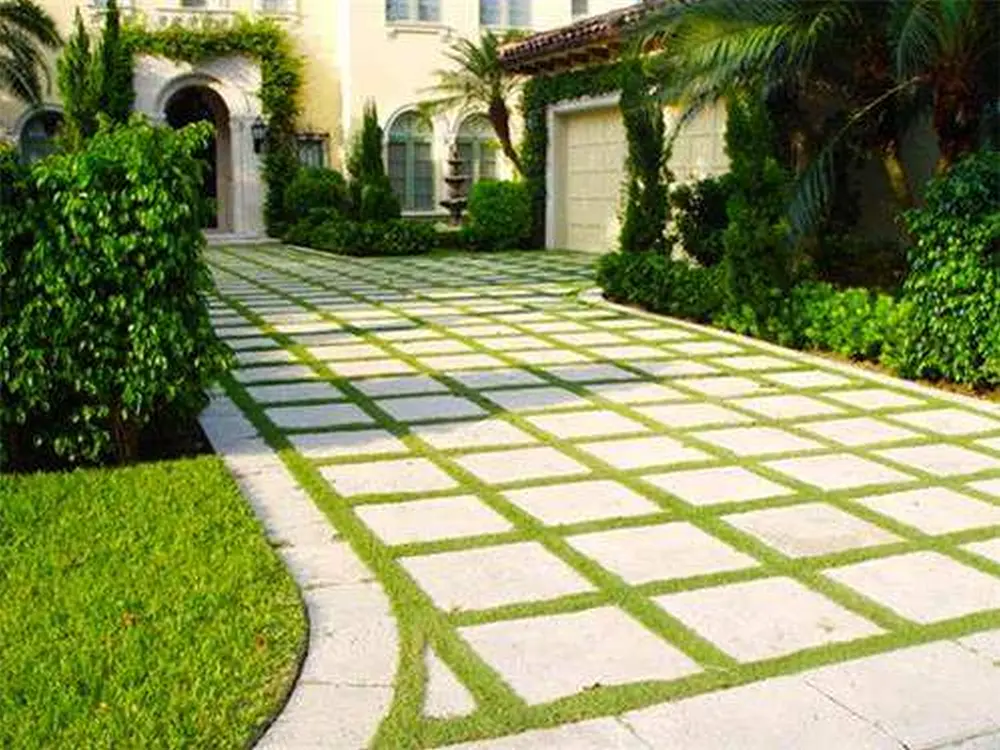
As cities began to introduce storm fees, homeowners and commercial properties began to recognize the economic and drainage benefits of pavers or permeable driveways and parking spaces that allowed water to pass through the surfaces.
Rainwater Harvesting
Every landscape contractor understands the importance of water. Capturing rainwater for irrigation will become the next generation of landscape architecture.
This concept was driven by various societal trends, including rising populations and increased water demand, increased environmental awareness, risk of storm damage exacerbated by climate change, and growth in urban areas and related impervious surfaces.
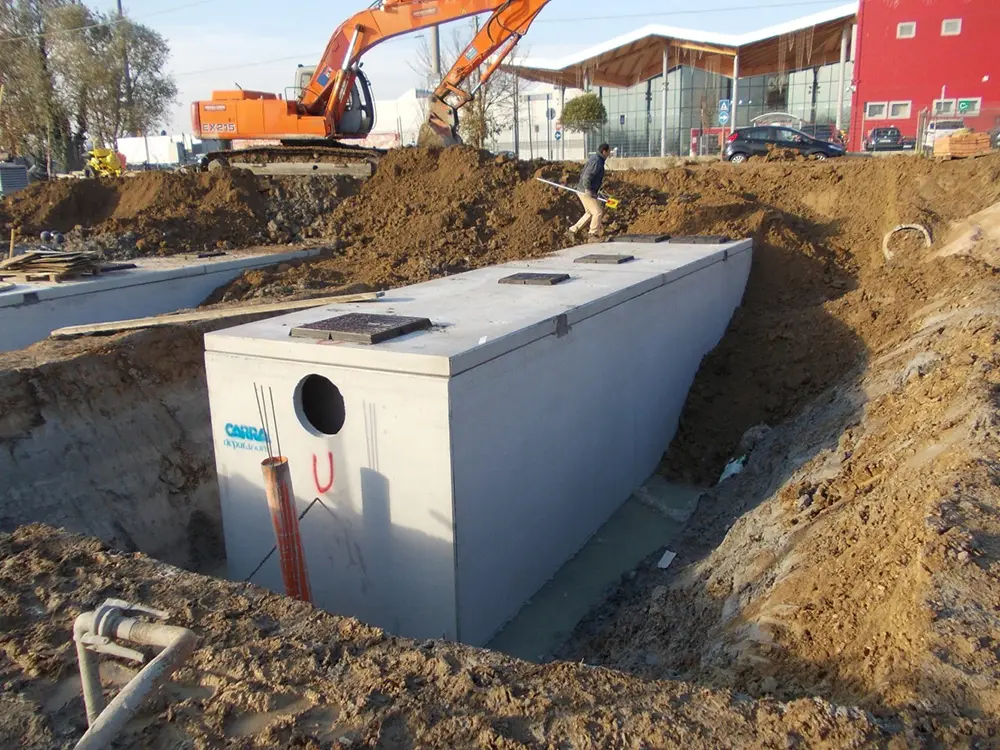
During my landscape career, the concept of incorporating an underground, precast stormwater drainage device as part of the landscape was not known. Our original landscape design concepts were basically designed to simply channel rainwater to existing public storm drain systems.
Sustainable Stormwater Management
Sustainable Stormwater Management (SSWM) serves multiple hydrological, ecological, social, and economic goals and can replace substantial parts of conventional drainage infrastructure.
Stormwater engineering infrastructure has created many new products that can help solve onsite property drainage needs, control stormwater flooding, or provide water flow reuse.
No matter the type of property: urban centers, commercial offices, college campuses, or large homeowner communities, landscaping, water flow needs, and stormwater drainage have become integrated into landscape architecture.
Conventional stormwater management focuses on the symptoms of large stormwater volumes, but landscape drainage focuses on the source – the root of the problem to address development patterns and impervious cover that create these large volumes of polluted water in the first place.
FLOW is a specialty water flow service, offering site inflow and outflow solutions for homeowners, commercial properties, communities, and college campuses.