Stormwater Circularity
The biggest infrastructure opportunity that changes our world will be stormwater.
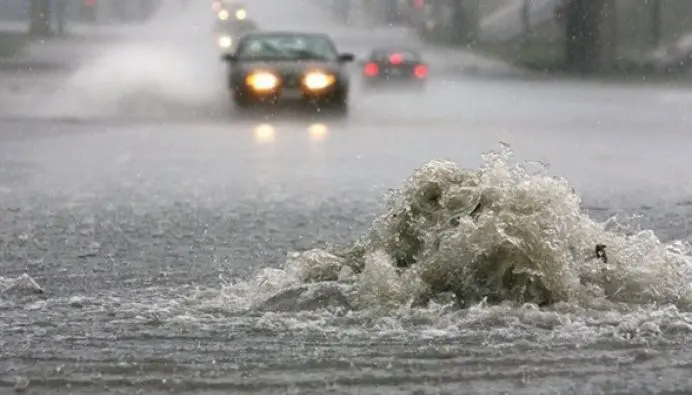
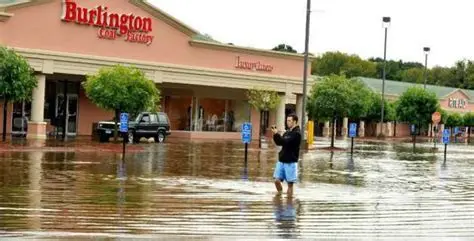
Our world is facing severe challenges with water, stormwater, and wastewater. Water scarcity or quality, flooding, and sewage pollution dominate the news.
In the developed world, infrastructure is aging, or capacity has not been upgraded to meet the growing demand. In developing countries, political corruption, lack of infrastructure, and environmental degradation are common. Currently, up to 90% of rainwater falls on hard surfaces in our cities and is drained into waterways. This represents a loss versus a problem.
The solution is stormwater circularity – capture, storage, and reuse. Stormwater is regarded as both a major challenge and a great opportunity. Circularity is a visionary approach to integrating water management.
Due to increasing water scarcity and population growth, the importance of treating and understanding the value of stormwater has never been greater.
For many cities around the world, implementing circular economy principles is a necessity. With Climate Change impacting heavier rainfall, limited infrastructure capacity hinders real estate development, urban living quality continues to erode, and insurance risk exposures cause surging premiums.
Water Circularity
Applying circular economy principles to water management is an important step in mitigating and preventing a global water crisis. Instead of endlessly using and disposing of water, imagine a world where water is instead managed in loops and maintained at its highest possible intrinsic value.
Traditional methods simply aren’t enough. Stormwater management is becoming ever more complex as environmental regulations get stricter with new building codes. It’s no longer enough to simply move water away from a site — we are now often required to retain and treat it.
Underground Storage
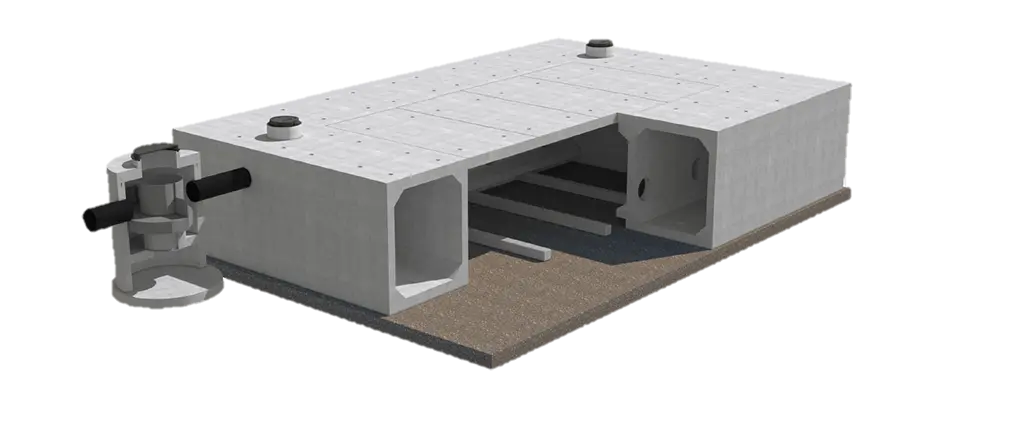
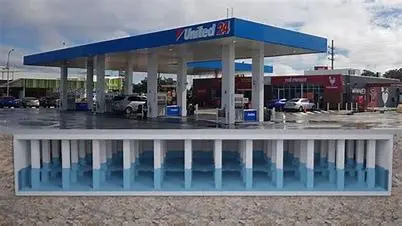
One way to help mitigate this is through the use of underground stormwater storage systems. These systems provide a reliable way to store excess water during heavy rains, preventing flooding and helping to preserve the natural environment. It offers the best form of water resilience.
Underground stormwater storage systems are designed to capture and store excess water from heavy rains and other events. By storing the water below ground, the risk of flooding is greatly reduced, protecting homes and businesses from potential damage, or recharging underground aquifers to ensure that local water supplies remain stable and plentiful.
For anyone who has toured the Middle East, many ancient military battles involved surrounding a city and waiting until water supplies were exhausted unless an underground source was not known by the invaders.
A major benefit of underground stormwater storage systems is their cost-effectiveness. By using these systems, communities can reduce their water bills by lessening the need for costly repairs and replacements due to flooding or other water damage. Additionally, these systems are easy to install and maintain, making them even more cost-effective.
Overall, underground stormwater storage systems offer many benefits, including flood prevention, water conservation, and improved water quality.
These systems are becoming increasingly popular as people become more aware of the need for sustainable water management.
With their cost-effectiveness and ease of maintenance, these systems are sure to be a popular choice for communities, buildings, and businesses looking to reduce their environmental impact. Circular water flow certification will become a major value to properties and insurance companies.
At FLOW, a SaaS software & service startup, we envisioned future technology connecting environmental assets – often unseen, that could help organizations better realize the benefits of circular, transformative change in water management.